Techniques
What each mention on the label actually means: the support, its preparation, the binder and the drying time.
Technical notes describe a work’s materials and support. They do not establish a hierarchy: they give the information needed to understand how a painting is made and to find works that share a material approach.
Reading the techniques
The medium identifies, for example, oil, watercolour or ink; the support specifies canvas, paper, card or wood when known. These details appear on work pages and accompany the works grouped here.
One technique can produce very different surfaces according to format, layering, gesture and working time. These categories help visitors move through the catalogue rather than confine paintings to a single definition.
Information attached to each work
Each group leads to the relevant paintings. Labels retain the available data for every piece; if you would like to check an element or request an additional view, contact the studio from the work page.
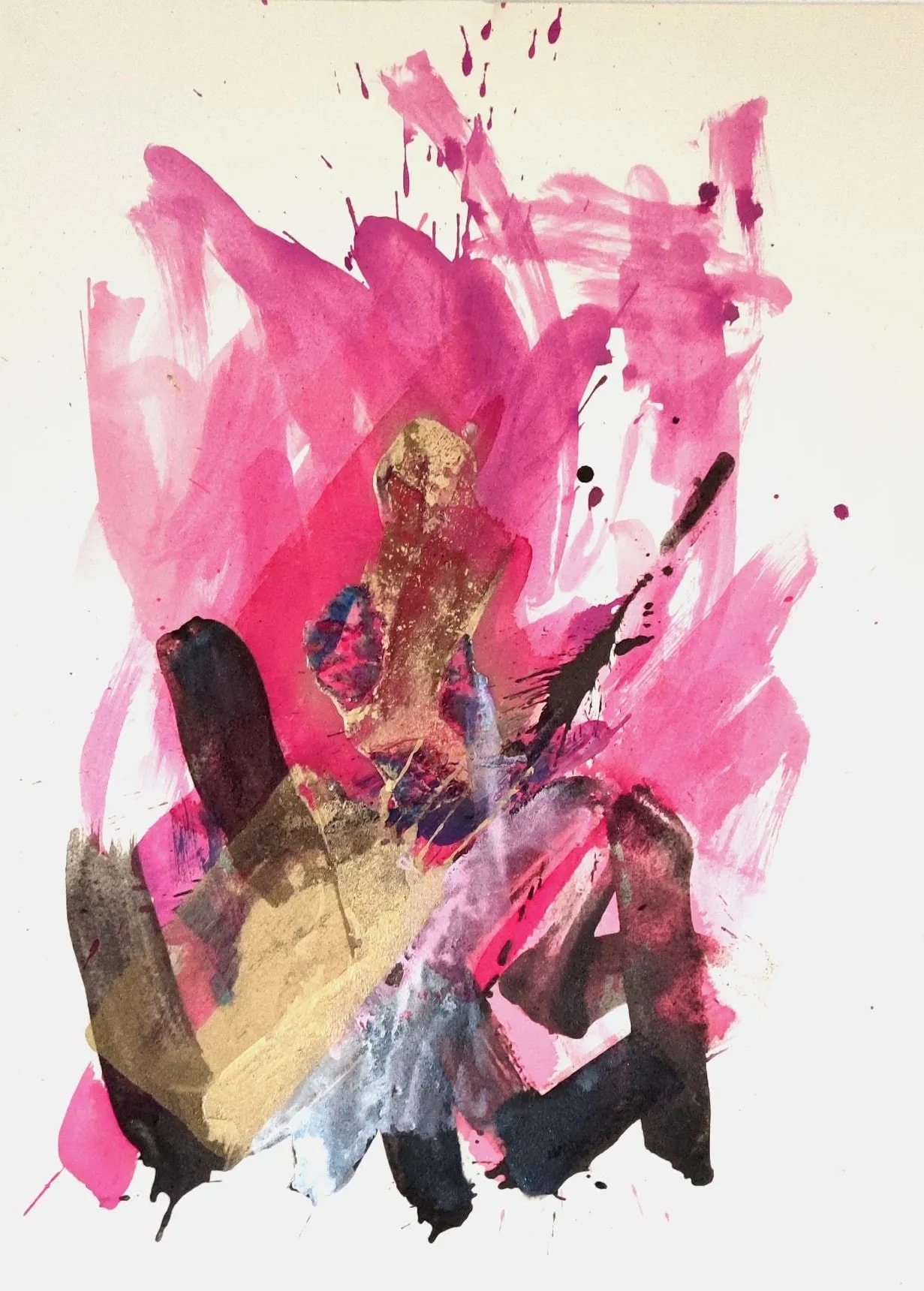 Indian ink and black sand on hardboard11 worksIndian ink and black sand on hardboard bring together dark depth, mineral grain and the tension of a rigid support. Works from 2024 including Aigue-marine, Transitions, Composition déchirée, La poésie balkanique, Relâche, La voix, Les guerriers, Composition T and The Time develop a vocabulary in which the surface becomes a space of rhythm. Black does not close the image; it reveals passages, contrasts and reserves. Each painting shifts the balance between dense matter, marks and areas of breathing room.
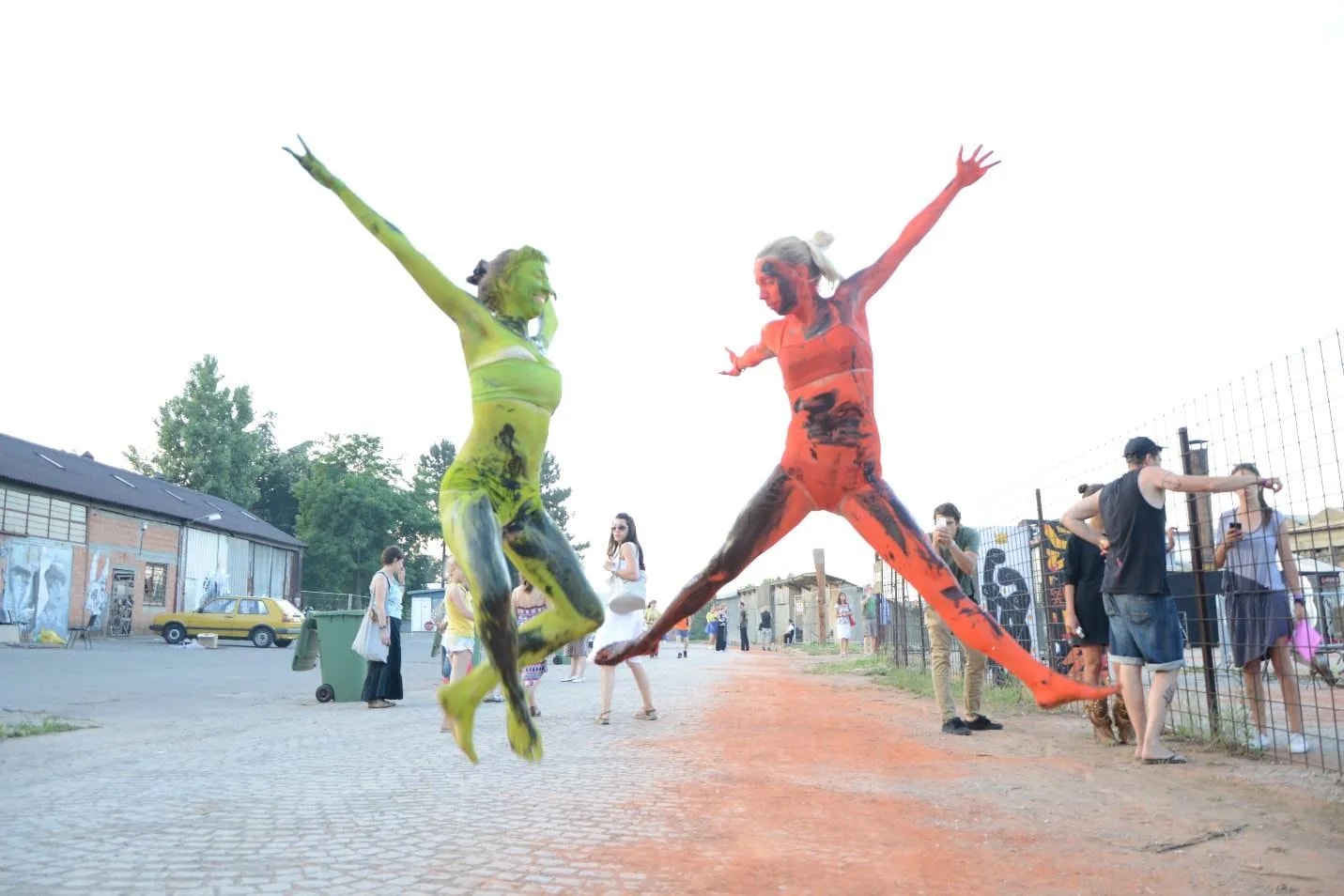 Performance photography (body painting)6 worksPerformance photography and body painting retain the presence of actions in which body, colour and space form a temporary image. L’une, Untitled (performance), The Layers, 9 Lives, Awakening and Sleepers 2, made between 2013 and 2018, trace this research. These photographs are not mere documents: they frame an appearance, a gesture and a relationship between painted skin, movement and setting. Each image keeps the memory of lived time while composing an autonomous work.
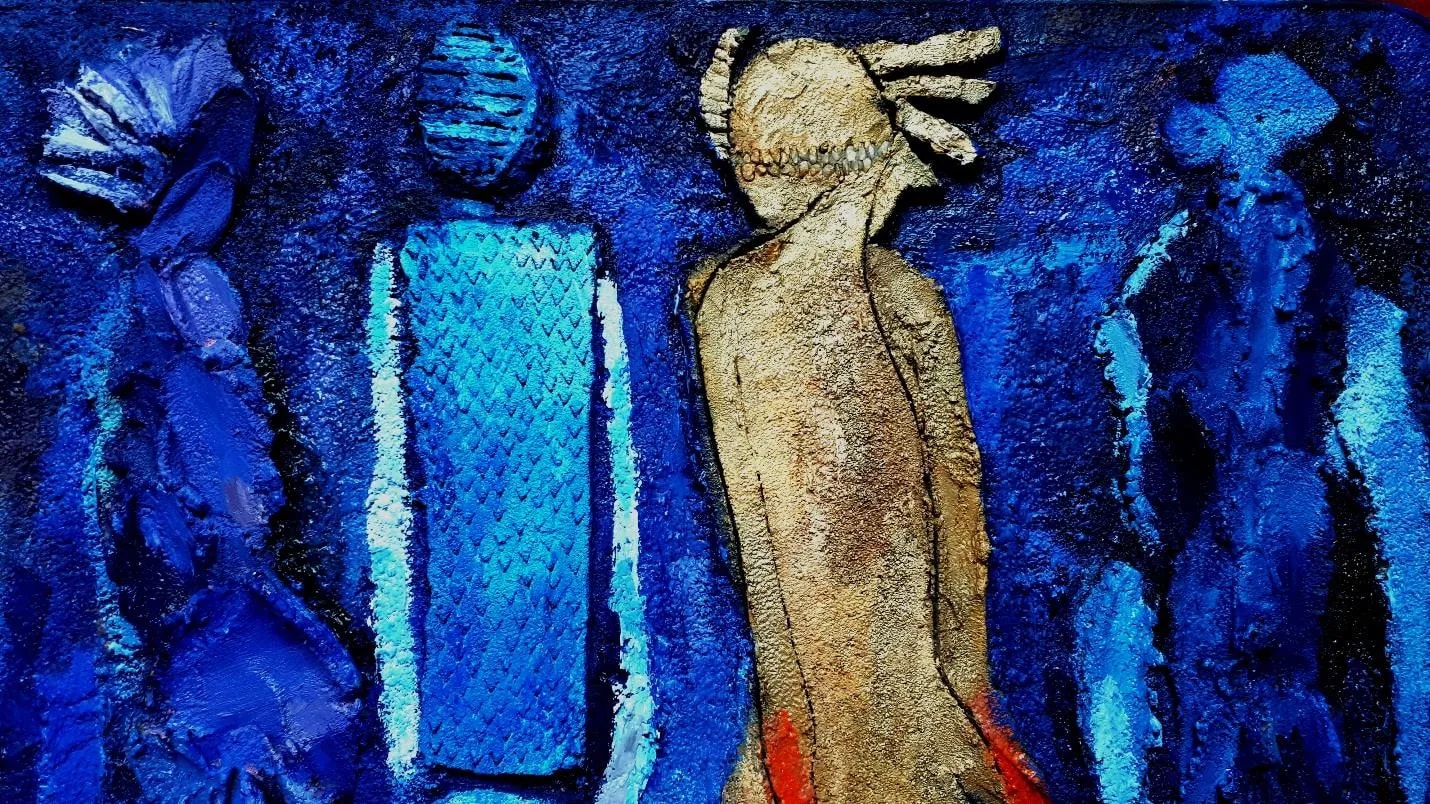 Oil on sand4 worksOil on sand names a group in which colour and grain work together, between painterly density and mineral presence. Byzantine Warriors #9, #11 and #3, together with The Sleepers #13, are its catalogue landmarks. Made between 2007 and 2019, these works join the continuity of paint to a surface that never reads as a mere background. Matter gives figures and forms a sensitive depth, attentive to shifts in light and viewing distance.
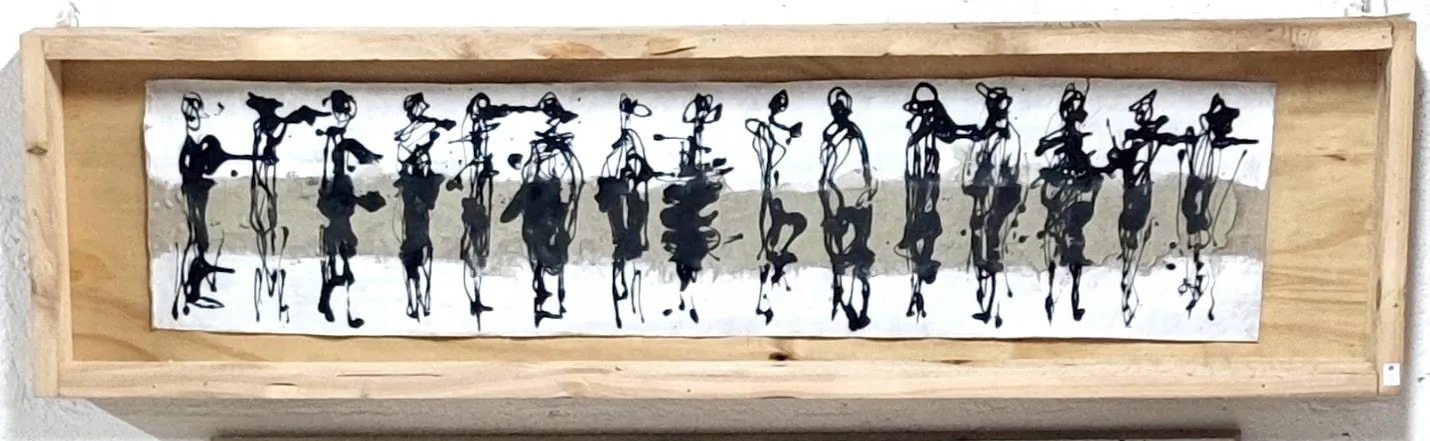 Enamel on canvas3 worksEnamel on canvas introduces a particular light into painting: a surface presence that responds to colour and the structure of the image. The Sleepers #37, The Sleepers #36 and Untitled, made in 2019 and 2024, trace this technique in the catalogue. Here the canvas receives a material that shifts sheen, density and the perception of forms. These works invite viewers to notice how colour is built with the support, according to distance and light.
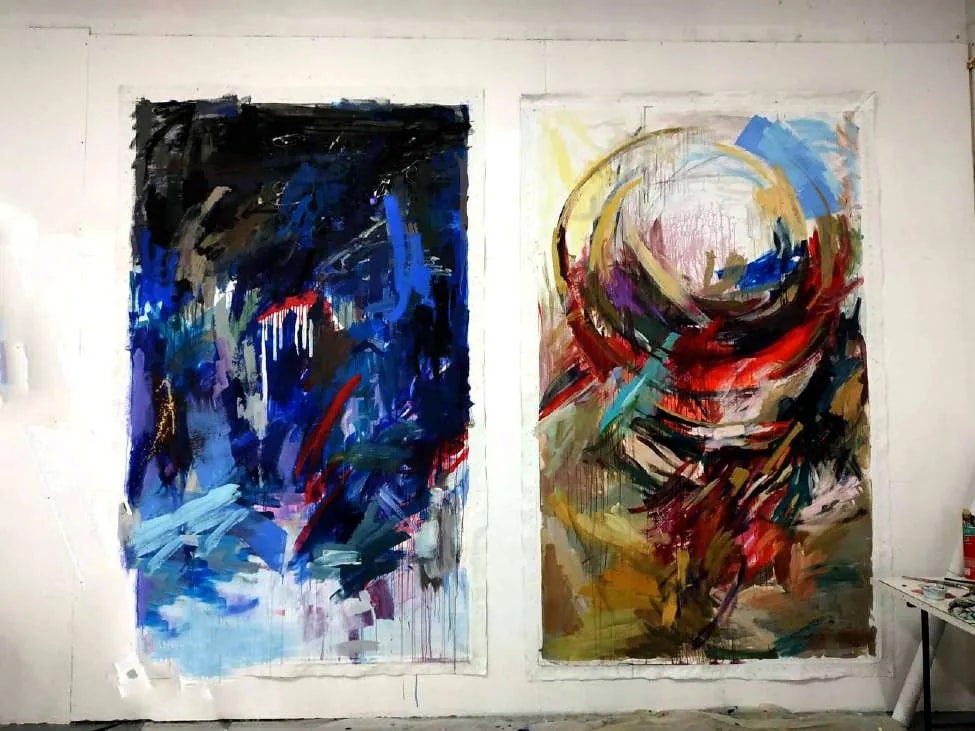 Acrylic on canvas2 worksAcrylic on canvas brings together Za Jecu and Diptyque, two works made in 2022 and 2021. The technique places the responsiveness of acrylic in relation to the expanse of canvas, in a painting where colour immediately organises the surface. These pieces make it possible to observe balances between forms, colour fields and paths for the eye. They stand in the catalogue as precise landmarks in a research that favours composition, contrast and the presence of gesture.
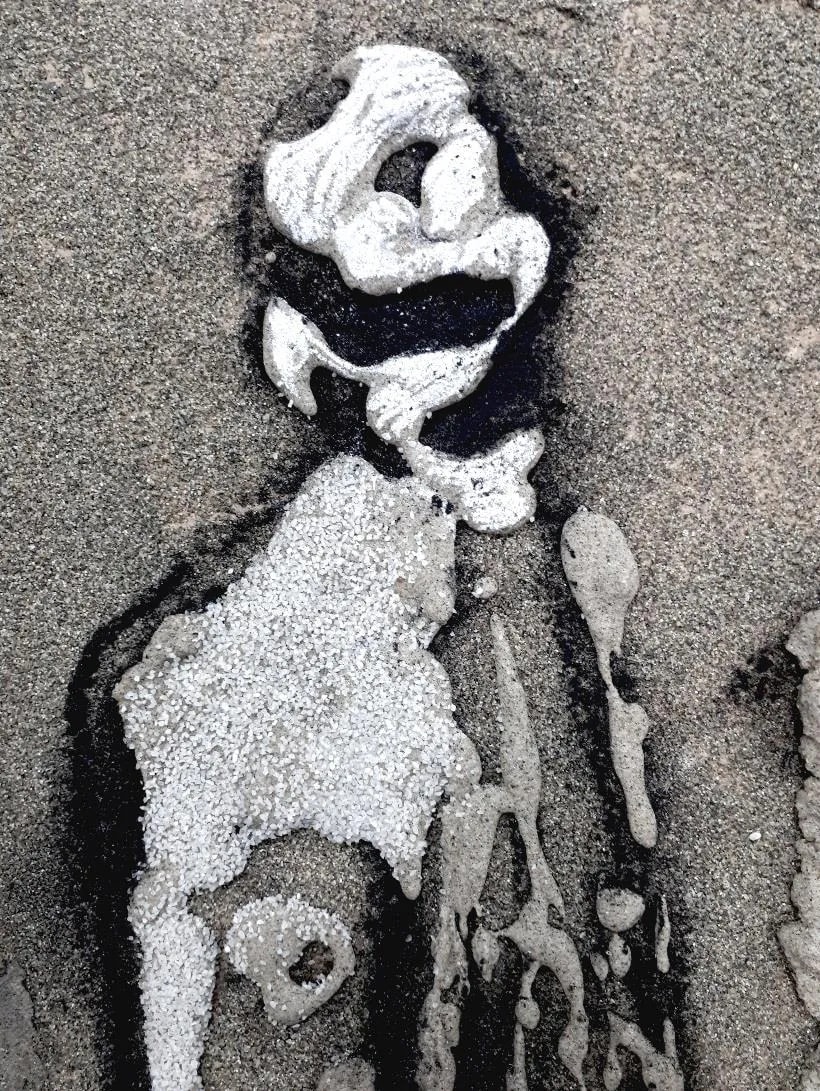 Charcoal and sand1 workCharcoal and sand bring together, in The Sleepers #68 (2020), two materials that give drawing a depth of surface. Charcoal asserts line, rubbing or shadow; sand introduces a grain that alters the continuity of looking. This work shows how an economy of means can produce a dense image, where dark areas and reserves carry equal value. The technique invites attention to textural detail as much as to the overall composition.
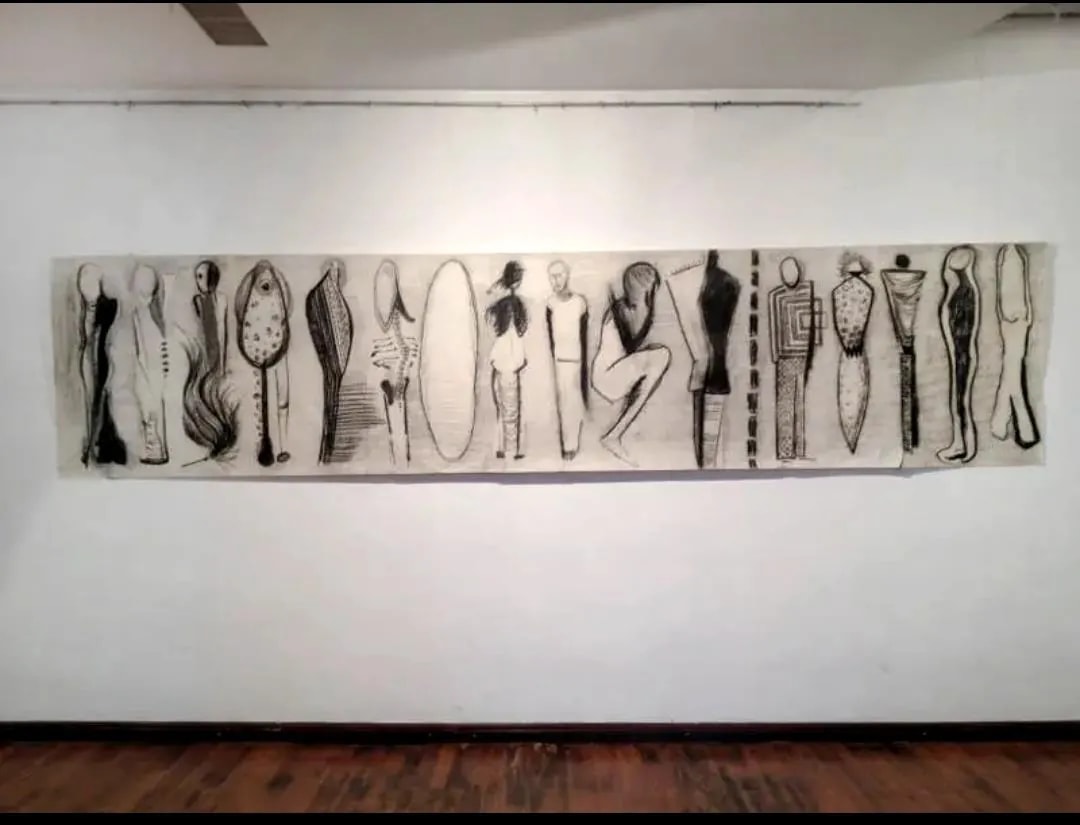 Drawing1 workDrawing is represented in the catalogue by Draw Sleepers (2013). It brings form construction, interval and the evocative power of a line to the foreground. Without relying on thick matter, the work makes the surface a place of decision: every mark counts in the balance of the image. This piece is a landmark for observing drawing’s place within the wider practice, in relation to later research on bodies, figures and painterly rhythms.
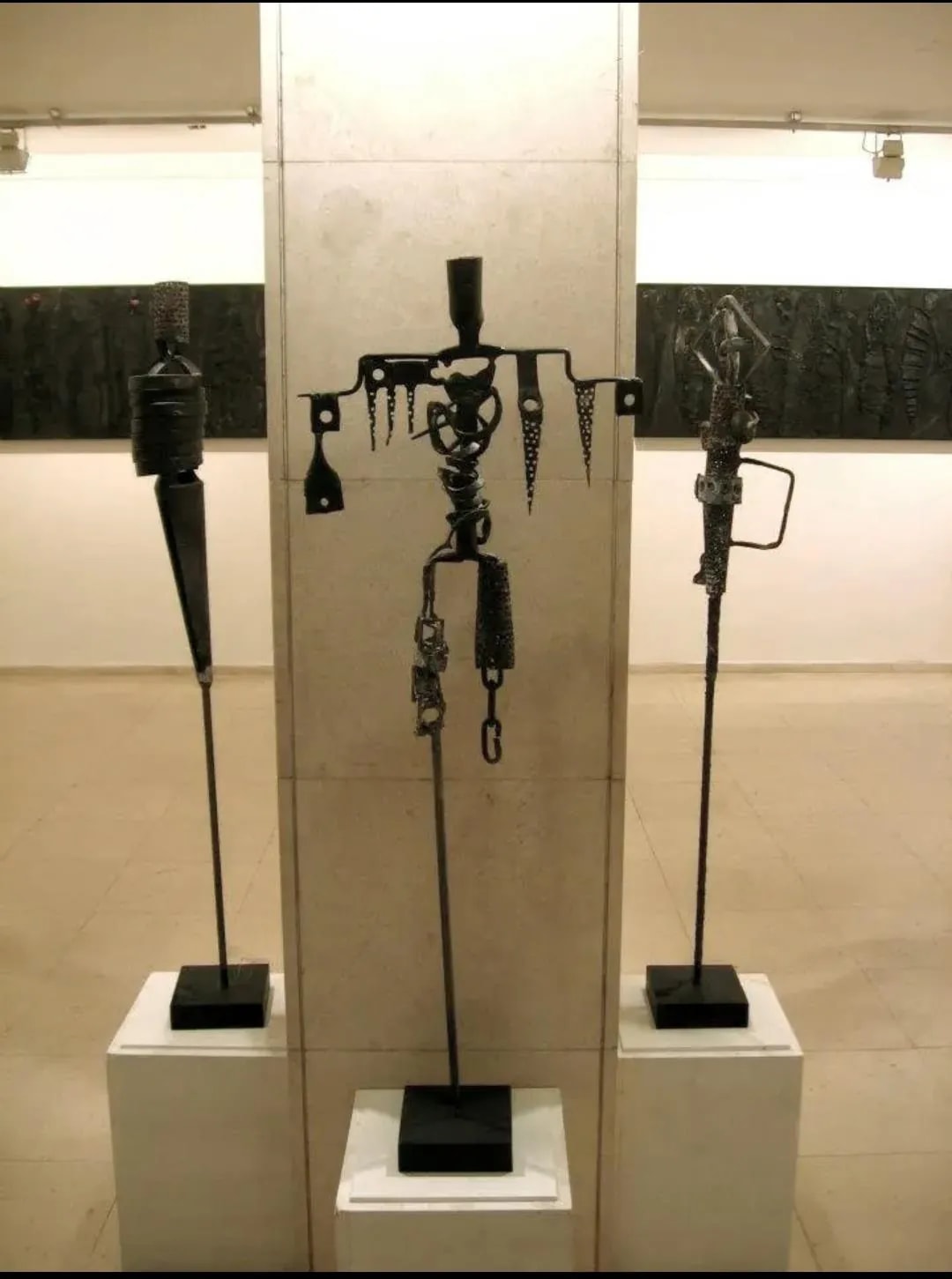 Sculpture (exhibition view)1 workSculpture — exhibition view brings together images of Exposition The Sleepers – 4 sculptures (2008). This entry records the spatial presence of the works and their relation to the place of display. Exhibition photography does not replace physical experience, but it makes volumes, distances and correspondences between several pieces legible. It offers another perspective on the practice: the work is no longer only an isolated image, but a situation shared with space.
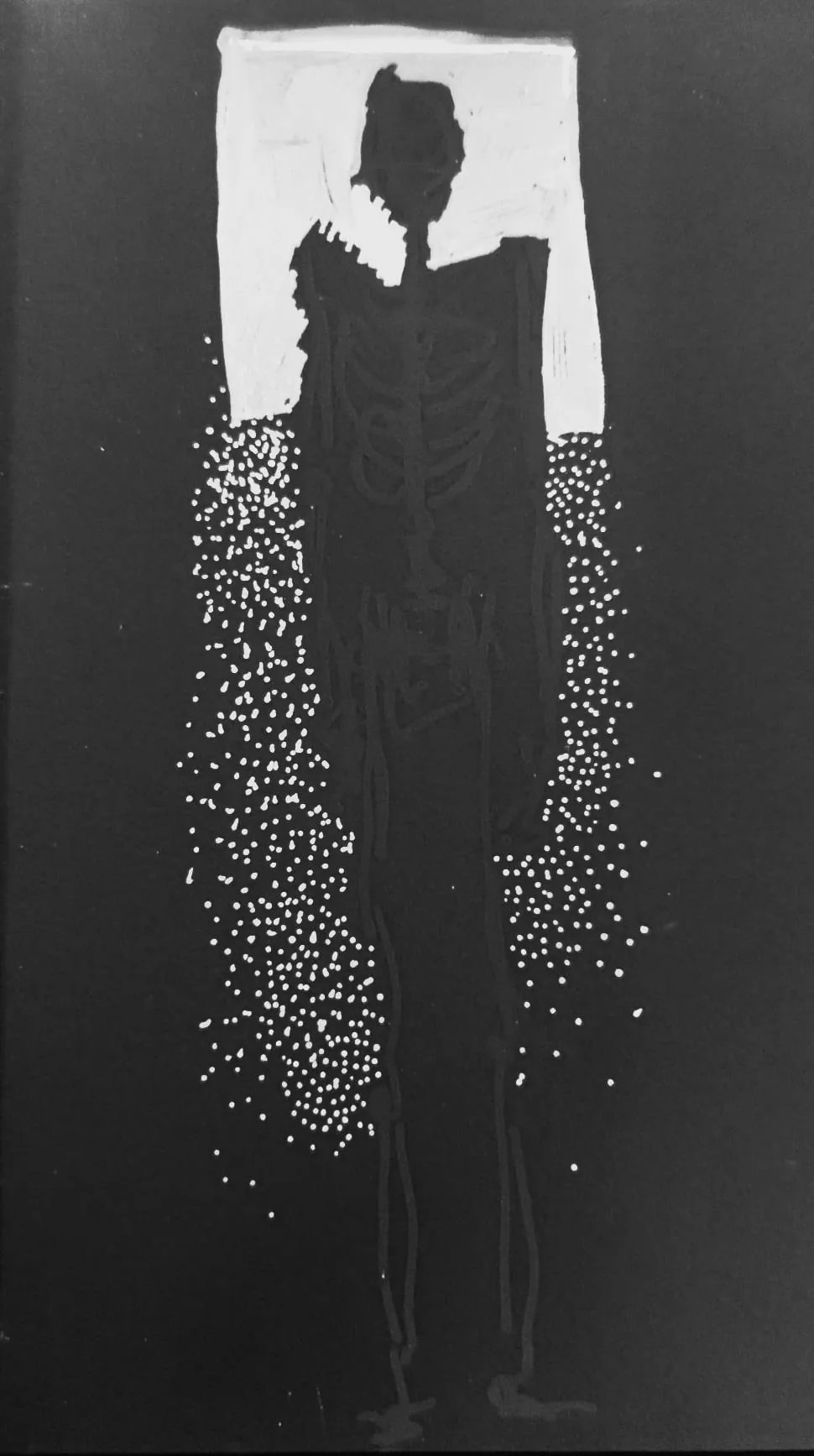 Posca on black paper1 workPosca on black paper is represented by From My Sketchbook (2024). Choosing dark paper reverses the usual relationship between ground and mark: colour appears as light placed upon darkness. Drawing gains particular clarity and vividness, while black keeps an active role in the composition. This work, from a research sketchbook, shows direct attention to sign, rhythm and the invention of forms in a more intimate format.
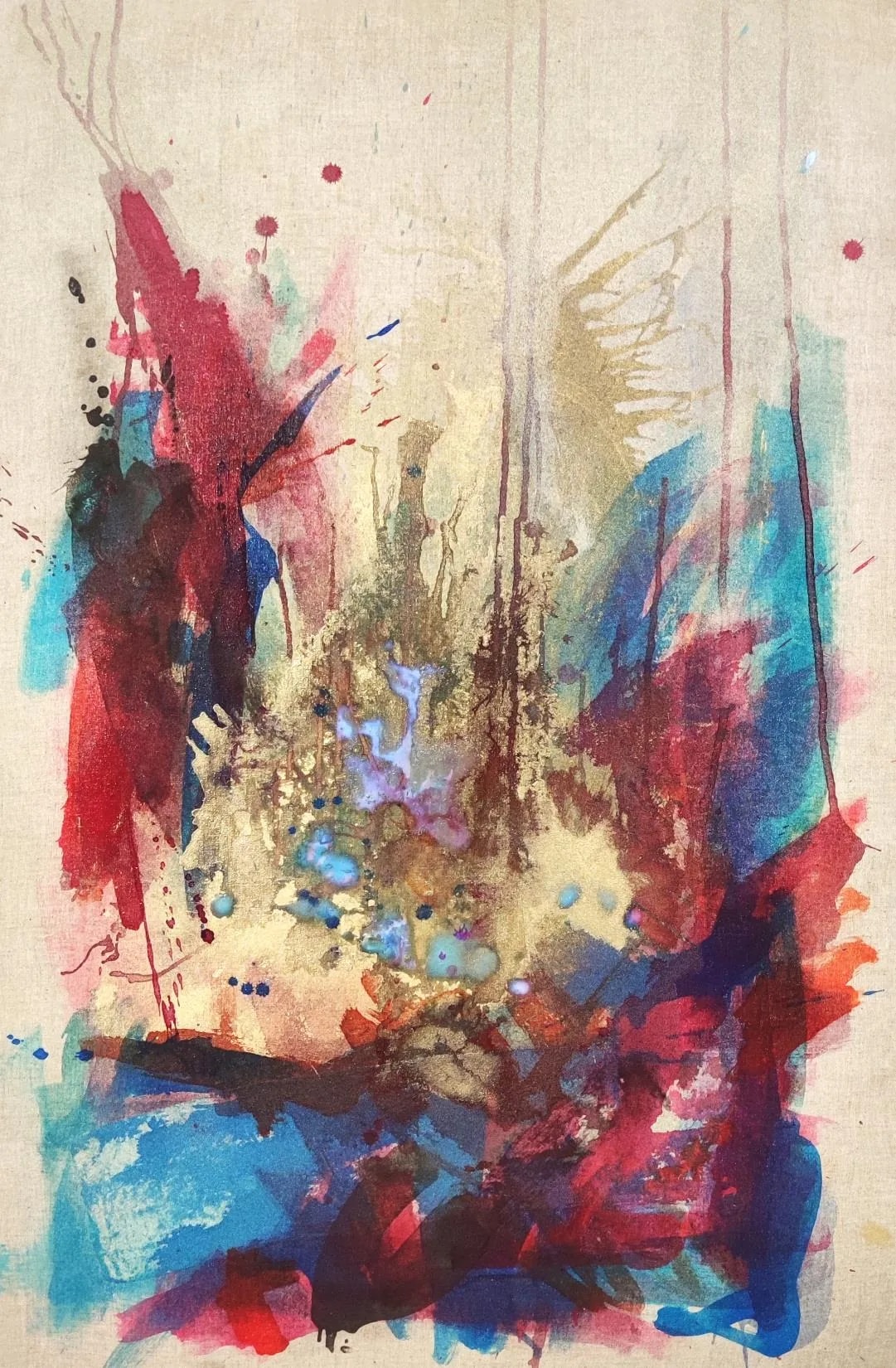 Indian ink and black sand on canvas1 workIndian ink and black sand on canvas brings together La lutte (2024). Canvas provides a flexibility that converses with the grain of sand and the depth of ink. The work proposes a surface where matter, light and movement remain closely connected. This technique makes it possible to see how dark contrast can carry energy rather than closure, and how a textile support receives marks, densities and reserved areas within one composition.